

Maintaining a consistent oral hygiene routine is crucial not just for a bright smile but also for overall health and the prevention of serious gum problems. Neglecting daily care can lead to conditions such as gingivitis and periodontitis, both of which can cause tooth loss and have broader health consequences. Many people are aware of cosmetic options like teeth whitening, but even the brightest smile needs healthy gums to last.
Oral hygiene is a routine that can easily become overlooked, but its impact resonates far beyond dental appearance. Without proper brushing and flossing, bacteria thrive, plaque forms, and gum tissue suffers. Over time, these small choices determine whether your mouth remains healthy or becomes home to persistent gum issues that can negatively affect your overall health.
Understanding Gum Disease
Gum disease, also known as periodontal disease, begins when plaque, a sticky film of bacteria, accumulates on teeth. If plaque is not removed, it hardens into tartar, irritating the gums and leading to gingivitis. Early symptoms include red, swollen gums that may bleed during brushing. If left untreated, gingivitis can become periodontitis, a condition in which gums recede, bone loss occurs, and teeth may become loose or fall out. According to the National Institute of Dental and Craniofacial Research, practicing daily oral hygiene and regular professional cleanings are highly effective in reversing early gum disease and maintaining oral health.
Several risk factors can exacerbate gum disease, including smoking, diabetes, hormonal changes (such as those during pregnancy or menopause), certain medications, and a family history of dental problems. By being aware of these risk factors, individuals can take extra care to manage their oral health with support from dental professionals. Quitting smoking and managing medical conditions like diabetes can make a significant difference in gum health outcomes. Early intervention is key; treating gum disease in its initial stages is far easier and less costly than addressing advanced periodontitis.
The Role of Brushing and Flossing
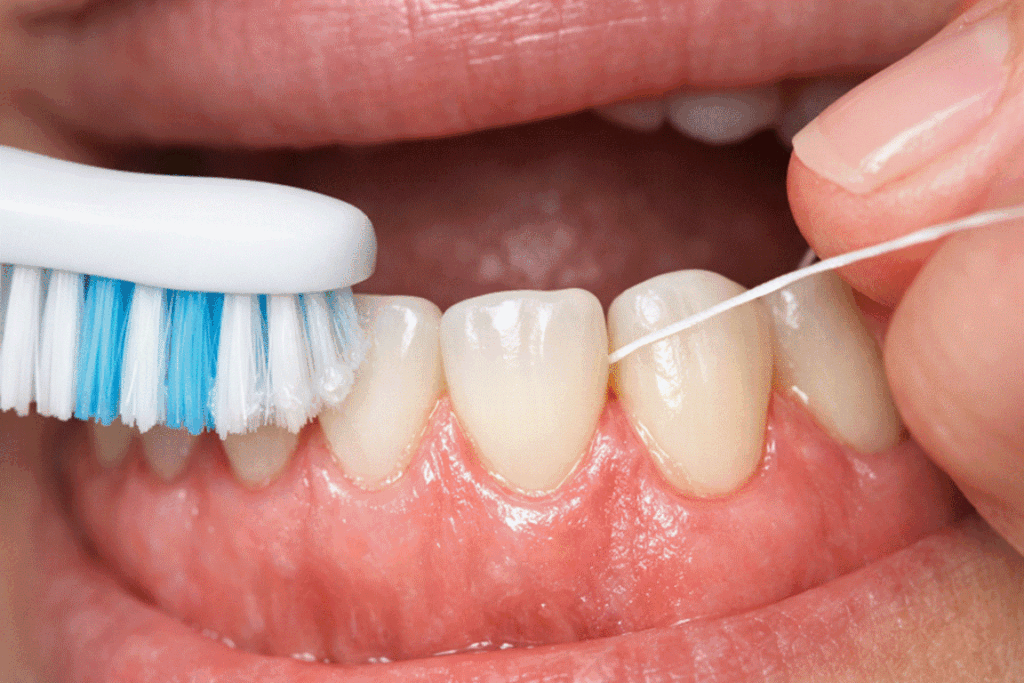
Brushing your teeth twice daily with fluoride toothpaste helps remove plaque from surface areas. However, even the most diligent brushers cannot reach all crevices, especially between teeth, which is why flossing is equally important. Daily flossing removes plaque and food particles from spaces that a toothbrush cannot reach, significantly reducing gum inflammation and the risk of disease. In fact, a 2022 study published in the Journal of Dental Hygiene showed that individuals who added flossing to their tooth brushing routine had notably lower levels of gingival bleeding and inflammation compared to those who only brushed.
In addition to brushing and flossing, many dental health professionals recommend using interdental brushes, especially for people with wider spaces between their teeth or those who have dental work like bridges or braces. These small, specially designed brushes can clean areas that traditional floss might miss. Proper technique is also essential; gentle, thorough brushing at the gumline and being careful not to snap floss against the gums can help avoid unintentional damage. Developing these good habits often begins in childhood, so parents and caregivers should set a positive example and help children establish a strong oral hygiene foundation early in life.
Professional Dental Care
Even those with meticulous home care need regular dental check-ups and cleanings. Dental professionals can remove hardened tartar, spot early signs of gum disease, and provide guidance tailored to individual needs. The Centers for Disease Control and Prevention reports that almost half of U.S. adults display some form of gum disease over their lifetimes; however, routine dentist visits can prevent minor issues from developing into advanced periodontal disease.
During professional cleanings, dental hygienists use special tools to remove tartar and plaque build-up from hard-to-reach areas. These visits are also an opportunity to discuss personalized oral hygiene strategies, nutritional habits, and potential risk factors. If signs of gum disease are found, your dentist may recommend treatments such as deep cleaning (scaling and root planing), antimicrobial therapies, or, in severe cases, surgical intervention. Early diagnosis and proactive treatment can preserve both function and aesthetics, making six-month dental check-ups a vital component of long-term oral health.
Impact on Overall Health
The importance of oral health extends beyond the mouth. A growing body of research highlights connections between gum health and conditions such as heart disease, stroke, and diabetes. People with periodontal disease are at a greater risk for cardiovascular issues, underlining why daily oral care should be a priority for everyone, not just for those concerned about their teeth.
Chronic inflammation caused by gum disease has been linked to increased systemic inflammation, a factor that plays a notable role in the development of chronic health conditions. In pregnant women, poor oral health has also been associated with premature birth and low birth weight. Additionally, managing gum health may improve glycemic control for patients with diabetes. Recognizing these broader health connections emphasizes that maintaining oral hygiene is not merely about achieving a confident smile—it is also an integral aspect of promoting lifelong wellness and preventing complex health complications.
Effective Oral Hygiene Practices
- Brush your teeth at least twice a day with fluoride toothpaste, paying special attention to the gumline.
- Floss daily to remove hidden plaque and debris between teeth.
- Use an antimicrobial mouthwash to reduce bacteria and freshen breath.
- Replace your toothbrush every three to four months or sooner if bristles are frayed.
- Schedule dental check-ups and professional cleanings every six months or as recommended by your dentist.
It’s also beneficial to avoid frequent snacking on sugary foods and beverages, as sugar feeds the bacteria responsible for plaque formation and tooth decay. Drinking plenty of water throughout the day helps rinse away food particles and supports saliva production, which is vital for neutralizing acids in the mouth. For those with orthodontic appliances or certain dental conditions, your dentist may suggest specific tools or tailored routines to address unique challenges. Continuing education on oral health topics, whether through your dental provider or trusted online resources, can arm you with the latest preventative strategies.
Recognizing Early Signs of Gum Disease
Detecting gum disease early can save your teeth and prevent complications. Warning signs include red, swollen, or tender gums, bleeding while brushing or flossing, persistent bad breath, and gums that appear to pull away from the teeth. Noticing these symptoms should prompt an immediate dentist visit to address issues before they escalate.
Other subtle symptoms may include increased tooth sensitivity, noticeable changes in your bite, or pus between the teeth and gums. Keep in mind that gum disease is often painless in its early stages, so regular dental examinations are the best defense against silently progressing issues. Your dentist can use diagnostic tools such as periodontal probing and dental X-rays to assess gum health and bone levels, ensuring that even hidden problems are promptly addressed.
Conclusion
Protecting your gums is an essential part of maintaining your overall health. Consistent brushing and flossing, combined with professional dental care and recognizing early warning signs, will not just help you keep your teeth but also may protect you from broader health risks associated with gum disease. Prioritizing a thorough oral hygiene routine is a simple yet powerful investment in your well-being.