
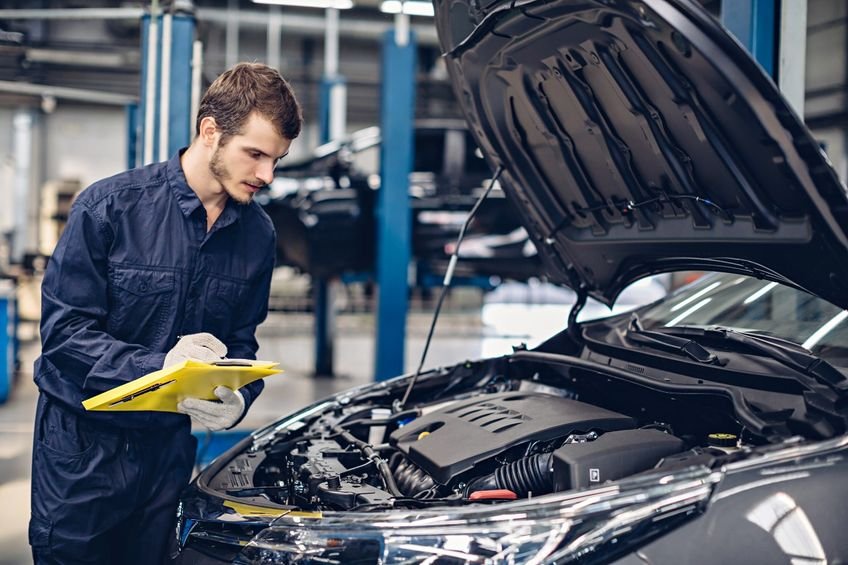

Many drivers think vehicle servicing is only necessary when something feels wrong, makes noise, or stops working altogether. That mindset often leads people to delay inspections and routine maintenance until a small issue becomes a costly repair. Regular servicing matters because a vehicle depends on many connected systems working together every day, often under changing road and weather conditions. Oil, brakes, tires, fluids, filters, belts, and battery performance all affect how safely and smoothly a car operates. When these areas are checked on time, drivers reduce wear, improve reliability, and avoid many preventable problems that can interrupt travel and strain household budgets over time.
What Servicing Really Prevents
- Small Problems Grow Faster Than Expected
One major reason regular vehicle servicing matters is that cars rarely go from perfect condition to complete failure without warning. Most serious breakdowns begin as small issues that are easy to miss during daily driving. A minor fluid leak, a worn belt, slightly uneven tire wear, or brake pads nearing the end of their life may not seem urgent at first, but each can quietly lead to larger mechanical trouble. When a vehicle is serviced on schedule, these early signs can be detected before they cause damage to connected parts. That protects both the car and the driver from sudden inconvenience. A service visit can reveal issues with cooling systems, suspension components, battery health, steering response, and engine performance that would otherwise go unnoticed. Many drivers save money in the long run simply because maintenance helps them deal with problems while they are still manageable, rather than waiting until repair bills multiply and the car spends days off the road.
- Servicing Supports Safety in Everyday Driving
Regular servicing is also closely tied to safety, even when a car seems to be running normally. Drivers often focus on the engine because it feels like the heart of the vehicle, but many safety-related parts wear down gradually and do not always give obvious warnings. Brake condition, tire tread depth, wheel alignment, lights, wipers, suspension stability, and fluid levels all influence how a vehicle behaves in normal traffic and in sudden situations. A car that handles well on a routine trip may behave very differently in heavy rain, during a sharp stop, or during a quick lane change if maintenance has been neglected. During routine servicing, technicians can check the condition of these critical systems and help reduce the chance of reduced grip, poor visibility, slow braking, or unstable handling. Drivers who keep up with inspections often have more confidence because the vehicle is not just moving but operating in a condition that supports safer, more predictable travel for everyone inside.
- Long-Term Cost Control Depends on Maintenance
Many people delay servicing to avoid spending money now, yet this often leads to higher costs later. Routine maintenance may feel like an optional expense when the car still starts and runs, but ignoring it can shorten the life of expensive components and lower the vehicle’s overall value. Clean oil protects engine parts from excess friction, fresh fluids help systems run properly, and timely filter changes support performance and efficiency. Even simple checks can prevent damage that becomes far more expensive once it spreads to major components. A workshop such as AutoTechnic may remind drivers that consistent maintenance is often less costly than waiting for a warning light, a failed part, or a roadside emergency to force action. In addition, a well-serviced car can hold its condition better over time, which matters if the owner plans to sell, trade in, or rely on the vehicle for many more years of daily use.
- Reliable Performance Comes From Consistent Care
Regular servicing also affects how enjoyable and dependable a vehicle feels over time. Cars that receive ongoing care tend to drive more smoothly, respond more consistently, and perform better during long commutes, family trips, and daily errands. Drivers may not always notice a gradual decline in fuel efficiency, rougher idling, slower starting, or reduced comfort until those changes become more obvious. Scheduled servicing helps restore balance before performance drops too far. Tire pressure adjustments, alignment checks, fluid replacement, battery inspection, and filter maintenance all contribute to a vehicle that feels more stable and efficient on the road. Just as important, servicing helps owners build a clearer understanding of their car’s condition, rather than relying on guesswork. That makes planning easier, especially for people who depend heavily on their work vehicle, school runs, appointments, and travel. Reliability does not happen by chance; it usually comes from repeated care that keeps wear from turning into disruption.
Why Maintenance Should Never Be an Afterthought
Regular vehicle servicing matters because it protects more than the car itself. It supports safety, helps control repair costs, preserves performance, and reduces the risk of being caught off guard by avoidable breakdowns. Many drivers only realize its value after a neglected issue turns into lost time, stress, and an unexpectedly larger bill. A vehicle faces constant strain from mileage, traffic, temperature changes, road conditions, and everyday use, so routine attention is part of keeping it dependable. Servicing is not just about maintaining movement. It is about keeping the vehicle in a condition that allows it to respond properly, last longer, and continue meeting the demands of daily life.