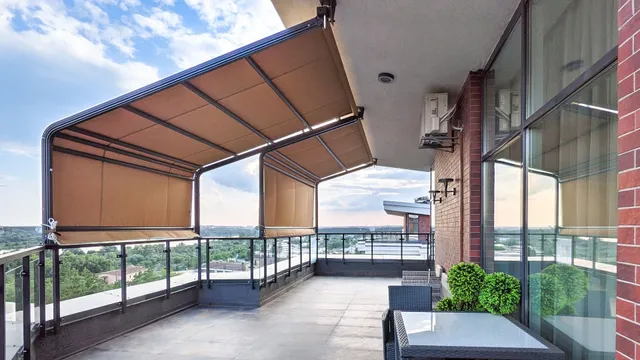

Awning installation is the process of fitting a protective covering over outdoor or semi-outdoor spaces to provide shade, weather protection, and enhanced visual appeal. Awnings are widely used in residential, commercial, and recreational settings to create comfortable outdoor environments while also improving energy efficiency indoors.
Whether installed over windows, patios, doors, or storefronts, awnings help reduce direct sunlight exposure, protect furniture from UV damage, and make outdoor areas more usable throughout the year. Proper installation is essential to ensure stability, durability, and long-term performance.
Understanding Different Types of Awnings
Before beginning awning installation, it is important to understand the different types available, as each serves a unique purpose and requires specific installation methods.Retractable awnings are designed to extend and retract based on weather conditions or user preference. They are ideal for flexibility and can be operated manually or through motorized systems.Fixed awnings remain permanently extended and provide constant shade and protection. They are commonly used for entrances and windows where continuous coverage is needed.Freestanding awnings are not attached directly to a building and can be placed in open spaces such as gardens, pool areas, or patios.Window and door awnings are smaller structures designed specifically to reduce heat and glare entering through glass surfaces.
Choosing the right type is a critical first step in ensuring successful awning installation.
Benefits of Proper Awning Installation
A correctly installed awning provides multiple benefits that go beyond simple shade. One of the most significant advantages is improved outdoor comfort, allowing people to enjoy patios, balconies, and outdoor seating areas even during hot or sunny weather.Awning installation also contributes to energy efficiency by reducing indoor heat gain. By blocking sunlight from entering through windows, awnings help maintain cooler indoor temperatures, reducing the need for air conditioning.In addition, awnings protect interior furnishings such as curtains, flooring, and furniture from fading caused by UV exposure. They also enhance the overall appearance of a property by adding architectural character and visual appeal.
Planning Before Awning Installation
Proper planning is essential before starting awning installation. The first step involves evaluating the intended location and determining the amount of shade required.Sun direction and exposure patterns should be carefully analyzed to ensure maximum effectiveness. The size of the awning must be chosen based on the area it will cover, ensuring adequate protection without obstructing movement or views.Structural support is another important consideration. The installation surface must be strong enough to hold the weight and tension of the awning, especially for wall-mounted systems.Local weather conditions should also be taken into account, as areas with strong winds or heavy rainfall may require more durable materials and reinforced installation methods.
Materials Used in Awning Installation
The durability and performance of an awning depend largely on the materials used in both the frame and fabric.Frames are typically made from aluminum or steel due to their strength and resistance to corrosion. Aluminum is lightweight and easy to install, while steel offers greater strength for larger structures.Awning fabrics are usually made from acrylic, polyester, or vinyl-coated materials. These fabrics are designed to resist UV rays, moisture, and fading, ensuring long-lasting performance.High-quality materials not only improve durability but also enhance the overall appearance of the installation.
Step-by-Step Awning Installation Process
The awning installation process begins with precise measurement of the area where the awning will be mounted. Accurate measurements are essential to ensure proper fit and alignment.Next, mounting brackets are securely attached to the wall or supporting structure. These brackets must be installed into solid surfaces such as brick, concrete, or reinforced wood to ensure stability.Once the brackets are in place, the awning frame is carefully attached and aligned. Proper leveling is crucial to ensure smooth operation and even weight distribution.After the frame is secured, the fabric is installed and stretched across the structure. For retractable systems, mechanical or motorized components are then connected and tested for functionality.Finally, the entire system is inspected to ensure stability, smooth operation, and correct alignment.
Importance of Professional Awning Installation
While some homeowners may attempt DIY installation, professional awning installation is highly recommended for safety and performance reasons.Professionals have the expertise to assess structural requirements, select appropriate mounting points, and ensure proper alignment. This reduces the risk of installation errors that could lead to damage or accidents.
They also have access to specialized tools and equipment, allowing them to complete the installation efficiently and securely. In addition, many manufacturers require professional installation to maintain product warranties.
Several common mistakes can affect the performance and durability of an awning. One of the most frequent errors is improper measurement, which can result in poor fit or insufficient coverage.Using weak or unsuitable mounting surfaces is another issue that can compromise stability. Awning installation requires secure anchoring to withstand wind and weight.Incorrect slope or alignment can also lead to water pooling on the fabric, increasing the risk of damage over time.Avoiding these mistakes is essential for ensuring long-lasting and reliable performance.
Maintenance After Awning Installation
Regular maintenance is important to preserve the condition and functionality of an awning after installation.Cleaning the fabric periodically helps remove dirt, dust, and debris that can accumulate over time. Mild soap and water are usually sufficient for most materials.Retractable awnings should be retracted during strong winds, storms, or heavy rain to prevent damage. Motorized systems often include sensors that automate this process.Inspecting brackets, joints, and mechanical components ensures that the structure remains secure and functional.Proper maintenance significantly extends the lifespan of the awning.Safety is a key factor in awning installation. Since awnings are exposed to environmental forces such as wind and rain, they must be installed securely to prevent accidents.All mounting hardware must be properly tightened and anchored into stable surfaces. Electrical components in motorized systems must be installed according to safety standards to avoid hazards.It is also important to ensure that the awning is retracted during extreme weather conditions to prevent structural damage.
Energy Efficiency and Environmental Benefits
Awning installation contributes to energy efficiency by reducing the amount of heat entering a building. This helps lower indoor temperatures naturally and reduces reliance on air conditioning systems.As a result, energy consumption decreases, leading to lower electricity bills and reduced environmental impact.Awnings also help protect indoor materials from UV damage, reducing the need for frequent replacements and contributing to sustainable living practices.
The cost of awning installation varies depending on factors such as size, material quality, type of awning, and complexity of installation.Retractable and motorized systems generally cost more due to advanced components and installation requirements. Fixed awnings are usually more affordable but offer less flexibility.Additional costs may include structural reinforcement, electrical work, and customization options.While initial investment may vary, high-quality awnings provide long-term value through durability and energy savings.Advancements in technology have significantly improved awning systems. Modern installations often include smart controls that allow users to operate awnings through mobile apps or remote systems.
Conclusion
Sensor-based automation can detect sunlight, wind, and rain, adjusting the awning automatically for optimal protection and safety.Improved fabric technology has also enhanced durability, color retention, and weather resistance, making modern awnings more efficient and long-lasting.
Awning installation is a valuable investment for enhancing outdoor comfort, improving energy efficiency, and adding aesthetic appeal to any property. When properly planned and installed, awnings provide reliable protection from sunlight and weather while extending usable outdoor space.Choosing the right materials, ensuring correct installation, and performing regular maintenance are key factors in achieving long-term performance. Whether for residential or commercial use, a well-installed awning offers lasting benefits in comfort, functionality, and design appeal.