
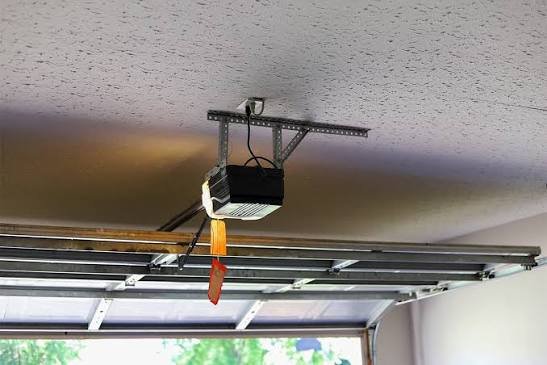

Door weight changes how a garage door system works. Weight that is not properly matched to the opener can cause slow travel, uneven movement, extra noise, and early wear. Proper garage door opener installation starts with understanding what the door weighs and how well the spring system balances that load.
Heavier Doors Need the Right Opener Power
Heavier doors demand an opener that can move the system comfortably without operating near its limit. Unlike a lightweight single-layer steel door, an insulated, wood, or oversized door can carry more mass after windows, reinforcement, or decorative hardware are added. Installers look at door size, construction, balance, and daily use before selecting an opener rather than relying on horsepower alone. Because the springs should carry much of the door’s effective weight, a larger motor is not a substitute for poor balance.
Door Weight Changes the Load on the Drive System
Drive components feel the effect of door weight each time the opener starts, stops, or reverses. Chain, belt, screw, or direct-drive systems transfer motor force to the trolley, so excess resistance can increase stress on sprockets, gears, rails, and connections. Belt-drive openers may run quietly, but they still need to be correctly rated for the door. Added load can also make a system jerk at startup if the door is binding or if the springs are no longer supporting it evenly.
Spring condition matters just as much as opener strength because the drive system should guide a balanced door, not lift dead weight. Balanced doors should move smoothly when disconnected from the opener. Technicians handling a garage door repairman near me service call may test that movement first to determine whether the motor is actually the problem. Poor balance can make a healthy opener look weak and shorten the life of its internal parts.
Spring Balance Matters More With a Heavy Garage Door
If a heavy door loses spring tension, the change can be immediate because the opener suddenly has to handle far more resistance. Repeated cycling in that condition can damage the trolley, rail, drive assembly, or motor before the homeowner realizes the spring system is at fault. A professional assessment may show that replacing garage door spring components is necessary before any opener adjustment or replacement makes sense. Over time, correctly matched springs help the door stay predictable at different points in its travel and reduce unnecessary strain on the system.
The Wrong Opener Can Struggle With Daily Door Cycles
Motor size is only one part of opener selection, but an undersized unit can struggle when paired with a heavy or high-use door. Steel doors with added insulation, full-view doors with large glass sections, and solid wood designs may require equipment built for greater loads and frequent cycling. Wood can also change with moisture, adding resistance if the door swells or the track alignment is already tight. Insulated doors may seem light from the outside yet carry enough added material to change spring and opener requirements.
Extra strain often shows up as slower opening, louder operation, hesitation near the floor, or repeated stopping during travel. Wider doors can amplify those symptoms because small alignment problems create more resistance across a larger moving surface. Garage door installation should therefore account for the finished door weight before the opener is selected, particularly when panels, windows, and reinforcement change the original specification. Correct sizing gives the motor enough working margin without using excessive power to hide a mechanical problem.
Motor Size Should Match the Door Material and Weight
Rails, springs, tracks, rollers, and the opener all need to suit the same door, which is why material choice affects more than appearance. Hinges and reinforcement can add meaningful weight to wood, insulated steel, composite, or custom doors, while wider sections may flex differently during movement. Cables and drums must also stay properly matched because uneven lifting forces can make the opener work harder on one side. Therefore, anyone comparing an overhead door company near me should expect the technician to evaluate the complete system rather than recommend an opener from door width alone.
Extra Weight Can Increase Wear on Rails and Hardware
Setup errors become more expensive on heavy doors because additional mass places greater force on rollers, hinges, brackets, and track supports during every cycle. Travel through the curved track section is especially revealing, since poor alignment or worn rollers can create resistance that grows more noticeable as door weight increases. Force settings should never be raised simply to push the door through a tight spot, because doing so can mask a track, spring, or hardware problem. Final inspection should include balance, fastener condition, roller travel, cable tracking, and opener movement so the source of resistance is clear.
Proper Setup Helps the Opener Lift Without Overworking
Snappy Doors can evaluate door weight, spring balance, track condition, opener capacity, and travel settings before recommending garage door opener installation or repair. Their services also include garage door installation and spring work, giving homeowners a way to correct the mechanical load before it damages a motor or other hardware.
Read more:- flypapermagazine.com