
Commercial outdoor surfaces play a critical role in the functionality, safety, and visual appeal of business properties. Whether it is a shopping center, warehouse, office complex, industrial facility, or parking structure, the quality of paved surfaces directly affects accessibility, traffic flow, and long-term maintenance costs. Among the most important elements of exterior infrastructure development is professional paving work, which ensures that surfaces remain durable, smooth, and capable of handling heavy loads over time.
In modern construction and property management, high-performance paving solutions are no longer considered optional. They are essential for ensuring operational efficiency and minimizing long-term repair expenses. Poorly constructed surfaces can lead to safety hazards, drainage issues, structural deterioration, and reduced property value. This is why many property owners prioritize professional-grade paving systems designed specifically for commercial use.
The Importance of Strong Exterior Surface Construction
Outdoor surfaces in commercial environments endure significantly more stress compared to residential areas. Heavy vehicles, delivery trucks, constant foot traffic, and environmental exposure all contribute to gradual wear and tear. Without proper construction and materials, these surfaces can quickly develop cracks, potholes, and uneven areas that compromise both safety and usability.
A well-constructed surface improves traffic flow and reduces the risk of accidents caused by uneven terrain or surface degradation. It also creates a positive impression for clients, customers, and business partners who visit the property. First impressions matter in commercial environments, and clean, well-maintained exterior spaces reflect professionalism and operational efficiency.Proper drainage is another essential factor in surface design. Water accumulation can weaken structural integrity over time, leading to erosion and surface failure. A properly engineered system ensures that water is directed away efficiently, preserving the lifespan of the pavement and reducing maintenance requirements.
Materials Used in Modern Paving Systems
Commercial surface construction involves a variety of materials, each selected based on durability, cost, environmental conditions, and intended use. Asphalt remains one of the most widely used materials due to its flexibility, affordability, and ability to withstand heavy traffic loads. It is particularly effective for parking lots, roadways, and industrial zones where strength and adaptability are essential.Concrete is another commonly used material known for its exceptional durability and long lifespan. It is often chosen for areas that require rigid structural support and minimal deformation under pressure. Although it typically involves higher initial costs, its long-term performance can make it a cost-effective option for many commercial applications.
In some cases, specialized materials such as interlocking pavers or reinforced composites are used for decorative or high-traffic pedestrian zones. These materials provide both functional strength and enhanced visual appeal, making them suitable for entryways, plazas, and landscaped commercial areas.Each material has unique advantages, and selecting the right one depends on environmental conditions, load requirements, and budget considerations. Professional contractors evaluate these factors carefully before recommending a suitable solution.
Planning and Preparation Before Construction
Successful paving projects begin long before the actual installation process. Proper planning and site evaluation are essential for ensuring long-term performance and structural integrity. The first step typically involves analyzing the soil condition and ground stability to determine whether reinforcement is needed. Weak or unstable soil can compromise the durability of the paved surface if not properly addressed.Design planning is another crucial stage. This includes mapping traffic flow, identifying load-bearing zones, and determining drainage patterns. A well-designed layout ensures that the surface can handle both current and future usage demands without premature deterioration.
Excavation and grading follow the planning stage. The ground must be properly leveled and compacted to create a stable foundation. Any organic or loose material is removed to prevent shifting or settling over time. A strong foundation is essential for preventing cracks and surface deformation in the future.
Proper base layering is then installed, typically consisting of crushed stone or aggregate materials. This layer provides structural support and enhances drainage, ensuring that water does not accumulate beneath the surface.
The Role of Professional Installation
The quality of installation plays a decisive role in the long-term performance of any paved surface. Even the best materials can fail if not installed correctly. Skilled professionals ensure that every stage of the process is executed with precision, from base preparation to final finishing.
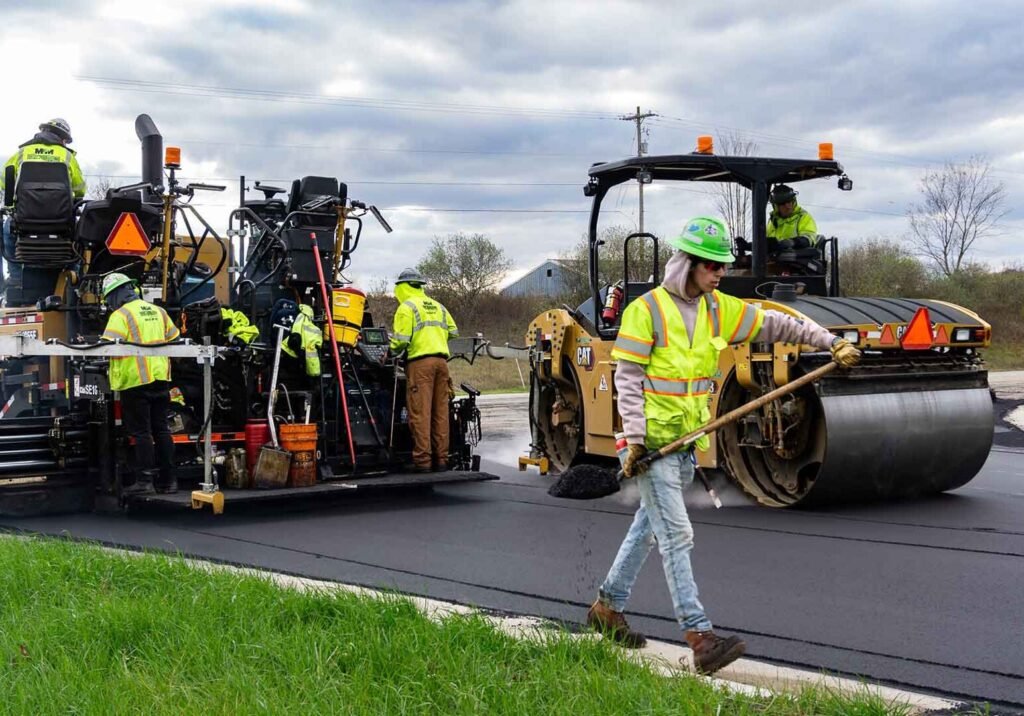
During installation, temperature and environmental conditions must be carefully monitored. For example, asphalt must be laid and compacted at specific temperatures to ensure proper binding and durability. Concrete, on the other hand, requires controlled curing time to achieve maximum strength.Compaction is one of the most important steps in the installation process. Proper compaction eliminates air gaps and ensures that the surface is dense and stable. Without adequate compaction, surfaces are more likely to develop cracks and structural weaknesses over time.
Edge restraint and joint control are also critical elements. These features help maintain structural integrity and prevent shifting or spreading of materials under pressure. Proper sealing techniques further enhance resistance to moisture and environmental damage.
Understanding Commercial Surface Durability
Durability is a key factor when evaluating paving systems for business environments. Commercial surfaces must withstand constant use and environmental stress without frequent repairs. Factors such as climate, traffic load, and maintenance practices all influence the lifespan of paved areas.
Temperature fluctuations can cause expansion and contraction in materials, leading to cracks if not properly managed. High-quality installation techniques account for these changes by incorporating expansion joints and flexible materials where necessary.Heavy vehicle traffic is another major factor affecting durability. Delivery trucks, construction equipment, and service vehicles place significant pressure on surfaces. Reinforced base layers and proper material selection help distribute weight evenly and reduce surface stress.
Moisture exposure is equally important. Water infiltration can weaken structural layers and lead to erosion or pothole formation. Proper sealing and drainage systems are essential for maintaining long-term stability.
Maintenance Practices for Long-Term Performance
Regular maintenance is essential for extending the lifespan of commercial paved surfaces. Even well-constructed systems require periodic care to maintain performance and appearance. Routine inspections help identify early signs of wear such as small cracks, surface fading, or drainage issues.
Crack sealing is one of the most effective maintenance practices. Small cracks can quickly expand if left untreated, allowing water to penetrate the base layers and cause structural damage. Prompt sealing prevents further deterioration and reduces repair costs.Surface cleaning also plays an important role in maintenance. Removing debris, oil stains, and dirt buildup helps preserve both appearance and functionality. Clean surfaces are also safer for vehicles and pedestrians.
Resurfacing may be required after several years of use. This process involves applying a new layer over the existing surface to restore smoothness and structural integrity. It is a cost-effective alternative to complete replacement and can significantly extend the life of the pavement.Proper drainage maintenance is equally important. Clogged drains can lead to water accumulation, which increases the risk of surface damage. Ensuring that drainage systems remain clear helps protect the entire infrastructure.
Safety and Compliance Considerations
Safety is a top priority in all commercial construction projects. Paved surfaces must meet regulatory standards and safety guidelines to ensure they are suitable for public and commercial use. Proper signage, markings, and surface visibility all contribute to safer traffic flow and pedestrian movement.
Slip resistance is another important consideration, especially in areas exposed to rain or spills. Surface textures and finishing techniques can be adjusted to improve traction and reduce accident risks.Compliance with local construction standards ensures that the paving system meets structural and environmental requirements. This includes proper drainage design, load-bearing capacity, and material quality standards.
Environmental Impact and Sustainable Solutions
Modern construction practices increasingly focus on environmental responsibility. Sustainable paving solutions aim to reduce environmental impact while maintaining high performance. Recycled materials are often used in asphalt mixtures to reduce waste and conserve natural resources.
Permeable paving systems are also becoming more popular. These allow water to pass through the surface and return to the ground naturally, reducing runoff and improving groundwater recharge. This approach helps manage stormwater more effectively and reduces pressure on drainage systems.Energy-efficient production methods and reduced emissions during material manufacturing also contribute to sustainability goals. Property owners are increasingly choosing environmentally friendly solutions that align with corporate responsibility initiatives.
Common Mistakes in Commercial Surface Projects
One of the most common mistakes in commercial paving projects is inadequate site preparation. Skipping proper grading or base compaction can lead to early surface failure and costly repairs.
Another frequent issue is selecting low-quality materials to reduce initial costs. While this may seem economical at first, it often results in faster deterioration and higher long-term expenses.Poor drainage planning is also a major concern. Without proper water management, surfaces are prone to erosion, cracking, and structural instability.
Hiring inexperienced contractors is another risk that can significantly impact project outcomes. Lack of expertise often leads to improper installation techniques and reduced surface lifespan.
Long-Term Value of Professional Paving Solutions
Investing in high-quality paving systems provides long-term financial and operational benefits. Durable surfaces reduce maintenance costs, improve safety, and enhance the overall appearance of commercial properties. They also contribute to higher property value and better customer experience.
A professionally designed and installed surface can withstand heavy usage for many years without requiring major repairs. This reliability allows businesses to operate smoothly without interruptions caused by infrastructure issues.Over time, the savings generated from reduced maintenance and repair needs often outweigh the initial installation costs. This makes professional paving a strategic investment for any commercial property owner.
Conclusion
Commercial paving surface construction is a critical component of modern infrastructure that directly impacts safety, efficiency, and property value. Proper planning, material selection, and professional installation are essential for creating durable and reliable paved areas capable of handling heavy usage.
With careful maintenance and sustainable practices, commercial paving systems can deliver long-lasting performance and significant financial benefits. Businesses that invest in high-quality solutions ensure smoother operations, improved safety, and a more professional appearance for their properties.
Ultimately, well-designed paving systems are not just functional necessities, they are long-term assets that support growth, accessibility, and operational success across a wide range of commercial environments.