

Embarking on a new business venture is exhilarating, but selecting the appropriate business structure is a pivotal decision that can influence your company’s success. The structure you choose affects your legal liability, tax obligations, and operational flexibility. For tailored guidance, partnering with a business formation lawyer can ensure your startup enters the market on solid legal and financial footing.
Choosing wisely not only protects your personal assets but also determines how easily your business can function, access funding, and scale. Understanding your options and how they align with your goals will help you achieve sustainable growth and minimize stress as your company expands.
Understanding Business Structures
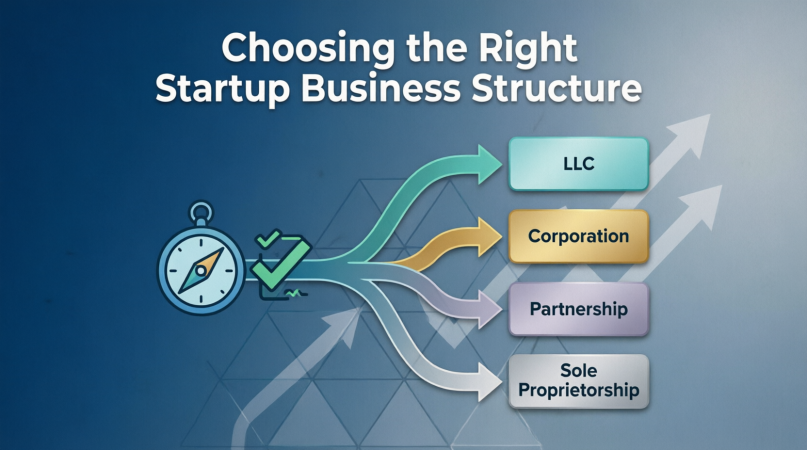
Business structures define a company’s legal organization and determine how it operates, is taxed, and the level of personal liability its owners face. Common business setups include sole proprietorships, partnerships, limited liability companies (LLCs), and corporations. Each structure offers unique benefits and challenges, impacting operational efficiency, taxation, and personal risk.
The right structure can make a significant difference in how you approach daily management, raise capital, and address liability issues. For example, while some structures offer simplicity and direct control, they may expose your personal assets to business risks. Others offer legal separation but require more paperwork and greater compliance effort.
Factors to Consider When Choosing a Structure
Before you register your business, it’s essential to evaluate several crucial factors. These considerations will help ensure your chosen structure best fits your objectives and resources:
- Liability Protection: How much personal risk are you willing to assume?
- Taxation: How do you prefer your business income to be taxed?
- Management and Control: Who will make decisions, and how will they be made?
- Capital Needs: Will you need to raise funds from investors?
- Regulatory Requirements: Are you prepared to comply with the necessary formalities and paperwork?
Sole Proprietorship
A sole proprietorship is the simplest form of business structure, owned and operated by a single individual. It is straightforward to establish with minimal regulatory requirements, allowing the owner complete autonomy over business decisions. However, with simplicity comes risk; the owner is personally liable for all debts and obligations. If your business incurs debt, creditors can pursue your personal assets. This risk makes sole proprietorships a better fit for low-risk endeavors or businesses in early development.
Partnership
Partnerships involve two or more individuals who share ownership and responsibility for a business. General partnerships mean that all partners share liability and decision-making equally, while limited partnerships assign liability differently between general and limited partners. Partnerships are attractive for pooling resources, sharing expertise, and distributing responsibilities, but they can lead to conflicts if clear agreements are not in place. Detailed partnership agreements are crucial for defining each partner’s roles, responsibilities, and compensation, helping avoid disputes and ensure smooth operations.
Limited Liability Company (LLC)
An LLC blends the benefits of corporations and partnerships. Owners, called members, enjoy protection from personal liability, meaning their personal assets are typically not at risk in case of business failure. LLCs are flexible in management structures and profit distribution, which is not always possible with corporations. However, they require more paperwork and can involve extra formation and maintenance fees. LLCs are a popular choice among startups and small businesses because they provide a balance of protection and operational simplicity while allowing owners to choose how the business is taxed.
Corporation
Corporations are distinct legal entities that are separate from their owners, providing the highest level of personal liability protection. This means the owners’ personal assets are protected from the business’s debts and legal actions. Corporations can raise capital by issuing shares of stock, making them ideal for businesses planning large-scale growth or seeking to attract external investors. They are managed by a board of directors, which establishes a structured governance system. However, corporations also face more complex regulations, costly compliance requirements, and the possibility of double taxation. Profits are taxed at the corporate level and again as dividends paid to shareholders. Despite these complexities, corporations are often preferred by businesses aiming for rapid expansion or planning an initial public offering (IPO).
Making the Decision
Choosing your business structure should be based on thorough research and professional counsel. Consider what you want for your business’s future, your risk tolerance, funding goals, and management preferences. Seeking advice from legal and financial professionals can be invaluable in evaluating your situation. Online resources, such as the U.S. Small Business Administration’s guide, provide helpful overviews and decision-making frameworks for new entrepreneurs.
Conclusion
The decision of how to structure your startup is foundational to your company’s success. By taking time to understand the various options and how they align with your vision, you set your business on the best possible path for long-term growth and protection. The most effective business leaders surround themselves with professional advisers and consistently re-evaluate their choices as their company evolves. Aligning your business structure with your objectives not only provides peace of mind but also lays the groundwork for a sustainable and scalable enterprise.