
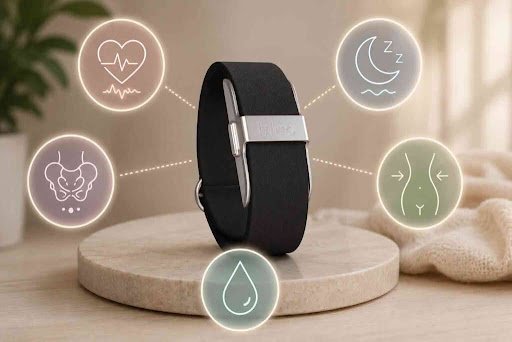

Technology continues to reshape how people understand and manage their health. In the past, wellness tracking often depended on occasional doctor visits, handwritten records, or personal observations. Today, wearable technology allows individuals to access valuable health information throughout the day, helping them make informed decisions about their lifestyle and wellness goals.
As consumers become more interested in preventive health and personalized insights, wearable devices have evolved beyond simple fitness trackers. Modern wearables are designed to provide a deeper understanding of activity patterns, recovery habits, sleep quality, and overall wellness trends. Among these innovations, the bleo band is gaining attention as part of a growing movement toward smarter, data-driven health management.
Rather than simply collecting information, today’s wearable technology aims to transform data into meaningful insights. This shift is helping users become more proactive about their health while supporting healthier long-term habits.
A New Era of Personalized Health Awareness
The concept of personalized wellness has become increasingly important in recent years. Every individual has unique habits, routines, activity levels, and health goals. Because of these differences, a one-size-fits-all approach to wellness is often ineffective.
Wearable technology helps bridge this gap by collecting data that reflects each user’s daily experiences. Instead of relying on generalized recommendations, users can access information that is relevant to their specific lifestyle.
This personalized approach enables individuals to:
- Better understand their daily behaviors
- Track progress toward wellness goals
- Recognize patterns that affect performance
- Identify opportunities for improvement
- Make more informed lifestyle decisions
By offering individualized insights, wearable devices are helping redefine how people approach health management.
How Wearables Are Changing Everyday Habits
Small daily habits often have a significant impact on long-term well-being. However, many people are unaware of how their routines affect their health.
For example, someone may believe they are getting sufficient exercise, only to discover that their daily movement levels are lower than expected. Another individual may assume they sleep well but learn that their sleep patterns are inconsistent.
Wearable devices provide objective information that helps eliminate guesswork. This visibility encourages users to make adjustments that support healthier lifestyles.
Over time, these small changes can contribute to meaningful improvements in physical and mental wellness.
Why Continuous Health Tracking Matters
Traditional health assessments provide valuable information, but they often represent only a single moment in time. Continuous monitoring offers a broader perspective by collecting data throughout the day and over extended periods.
This approach allows users to identify trends rather than focusing solely on isolated measurements.
Benefits of continuous tracking include:
Improved Self-Awareness
Users gain a better understanding of how their behaviors influence wellness.
More Accurate Trend Analysis
Long-term data helps reveal meaningful patterns and changes.
Enhanced Goal Tracking
Progress can be monitored consistently rather than periodically.
Greater Motivation
Visible results often encourage users to remain committed to healthy habits.
These advantages make wearable technology an effective tool for ongoing wellness management.
Understanding the Role of Activity Monitoring
Physical activity is one of the most important factors influencing overall health. Regular movement supports cardiovascular health, energy levels, mobility, and general well-being.
Activity monitoring helps users evaluate how much movement they achieve throughout the day.
Common metrics include:
- Step counts
- Active minutes
- Movement trends
- Exercise sessions
- Activity consistency
While individual metrics are useful, their true value comes from observing patterns over time.
By reviewing activity data regularly, users can identify opportunities to increase movement and maintain healthier routines.
Recovery: An Often Overlooked Component of Wellness
Many people focus heavily on exercise while paying less attention to recovery. However, recovery is essential for maintaining physical performance and supporting overall health.
The body requires adequate time to repair, restore energy, and adapt to physical demands.
Wearable technology can provide insights related to recovery by tracking factors such as:
- Rest periods
- Activity balance
- Sleep quality
- Recovery trends
- Daily wellness patterns
Understanding recovery helps users create a more balanced approach to health and fitness.
The Value of Sleep Intelligence
Sleep plays a critical role in nearly every aspect of health. It affects cognitive performance, emotional well-being, immune function, and physical recovery.
Despite its importance, many individuals struggle to accurately assess their sleep quality.
Wearable devices provide sleep-related insights that help users understand:
Sleep Duration
The total amount of time spent sleeping.
Sleep Consistency
Whether sleep schedules remain stable over time.
Restfulness
Indicators that may reflect the quality of recovery during sleep.
Long-Term Sleep Trends
Patterns that can reveal opportunities for improvement.
These insights empower users to make adjustments that support healthier sleep habits and improved overall wellness.
Artificial Intelligence and the Evolution of Wellness Tracking
The next stage of wearable technology involves more than collecting data. Artificial intelligence is transforming how users interpret and apply health information.
AI-powered platforms can analyze large volumes of wellness data and identify patterns that may not be immediately obvious.
For individuals seeking advanced health insights, many are beginning to explore Bleo AI solutions that combine wearable technology with intelligent analytics.
By evaluating multiple data points simultaneously, AI systems can provide more personalized recommendations and actionable guidance.
This advancement is helping users move beyond simple tracking and toward deeper health understanding.
Building a Smarter Wellness Ecosystem
The future of health technology is increasingly interconnected. Wearable devices no longer function as standalone tools. Instead, they operate within larger digital ecosystems that integrate data, analytics, and personalized insights.
The bleo band represents this shift toward connected wellness solutions.
A comprehensive wellness ecosystem may include:
- Activity monitoring
- Recovery analysis
- Sleep tracking
- Mobile applications
- Artificial intelligence insights
- Personalized wellness recommendations
Together, these components create a more complete picture of an individual’s health journey.
The Importance of Simplicity in Wearable Design
While advanced technology offers tremendous benefits, ease of use remains essential.
Many consumers prefer devices that deliver meaningful insights without requiring extensive technical knowledge.
Successful wearable products often prioritize:
User-Friendly Interfaces
Simple navigation makes health information easier to understand.
Comfortable Wearability
Lightweight designs encourage consistent use.
Reliable Performance
Accurate data collection supports trust and engagement.
Seamless Connectivity
Easy integration with smartphones improves accessibility.
These characteristics help ensure that wearable technology remains practical for everyday life.
Long-Term Benefits of Health Data Awareness
One of the greatest advantages of wearable technology is its ability to support sustained lifestyle improvements.
Health data awareness can help individuals:
- Stay accountable to personal goals
- Monitor behavioral changes
- Recognize positive trends
- Improve consistency
- Develop healthier routines
Rather than focusing solely on short-term results, wearable devices encourage a broader perspective on wellness.
This long-term approach aligns with growing interest in preventive health and healthy aging.
What the Future Holds for Wearable Innovation
The wearable technology industry continues to evolve rapidly. Improvements in sensors, software, and artificial intelligence are expanding the capabilities of health-tracking devices.
Future innovations may include:
- More advanced biometric measurements
- Enhanced recovery analytics
- Personalized wellness coaching
- Improved predictive insights
- Greater integration with healthcare systems
As more people explore Bleo AI solutions, the combination of wearable technology and intelligent analytics is expected to play an increasingly important role in personal health management.
These developments may help users gain even deeper insights into their daily habits and long-term wellness goals.
Conclusion
The bleo band reflects a growing shift toward connected, personalized wellness technology. By providing users with valuable information about activity, recovery, sleep, and daily habits, wearable devices support a more informed approach to health management.
As artificial intelligence continues to enhance the interpretation of health data, individuals who explore Bleo AI solutions can benefit from more personalized insights and actionable recommendations. Together, wearable technology and intelligent analytics are helping create a future where wellness is more accessible, proactive, and data-driven than ever before.
FAQs
What is the Bleo Band?
The Bleo Band is a wearable device designed to help users monitor wellness-related metrics such as activity, recovery, sleep, and lifestyle habits.
How does wearable technology improve health awareness?
Wearable devices provide continuous data that helps users understand their daily behaviors and identify opportunities for healthier choices.
Why is continuous tracking beneficial?
Continuous monitoring offers a broader view of wellness trends and helps users recognize long-term patterns rather than isolated measurements.
Can wearable devices help improve sleep habits?
Yes. Sleep-tracking features can provide valuable insights into sleep duration, consistency, and recovery patterns.
What role does artificial intelligence play in wellness tracking?
Artificial intelligence helps analyze health data, identify patterns, and generate personalized insights that support informed decision-making.
Why are connected wellness ecosystems becoming popular?
Integrated systems combine wearable data, analytics, and recommendations to create a more comprehensive understanding of personal health.
What is the future of wearable technology?
Future devices are expected to offer more advanced health metrics, improved personalization, and deeper integration with artificial intelligence platforms.