
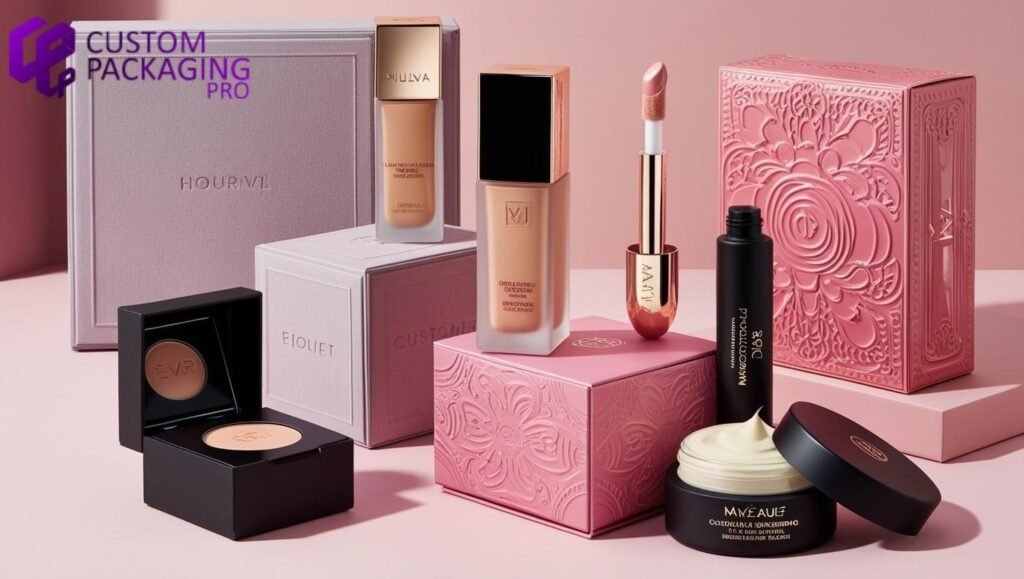

Cosmetic packaging is usually judged by how attractive it looks. Brands invest heavily in elegant color palettes, refined typography, premium finishes, and sophisticated box styles because beauty products are sold through perception as much as performance. In a crowded market, packaging often becomes the first point of emotional connection between the customer and the product. Before someone experiences the formula, texture, or results, they experience the packaging. That is why so many cosmetic brands treat packaging as a branding exercise first and a practical decision second.
That approach makes sense to a point, but it also causes one of the most common mistakes in cosmetic packaging. Many brands focus so much on appearance that they overlook the structural side of packaging, especially the way length, width, and height are planned. These dimensions do far more than determine whether a product fits inside a box. They influence how secure the product feels, how premium the presentation appears, how well items are displayed on shelves, and how efficiently packaging performs in storage, handling, and shipping. This is where many cosmetic brands run into problems. A box may look perfect in concept form, but once production begins, small dimensional issues start to affect the final experience. The product may move slightly inside the packaging, inserts may not hold items as neatly as intended, and packaging may look oversized for a small bottle or too compact for a premium presentation.
Why Size Planning Matters in Cosmetic Packaging
In beauty and skincare, details matter more than most categories. Customers expect cosmetic packaging to feel intentional, polished, and precise. When the proportions are right, the entire product feels elevated. When they are off, even a high-quality item can appear less refined than it deserves. This is why cosmetic packaging should never be approached as decoration alone. The brands that create the strongest impression are often the ones that understand how structure supports appearance, not just how appearance attracts attention.
Size planning plays a much bigger role in cosmetic packaging than many brands realize. The right dimensions help create a secure fit, improve insert performance, reduce wasted material, and strengthen the overall premium feel of the product. Whether the packaging is made for a lipstick, serum, cream jar, or a multi-item beauty set, the balance of length, width, and height directly affects both presentation and practicality. A package that is slightly too large can make the product feel less premium, while packaging that is too tight can affect protection and usability. This is why dimensional accuracy is a core part of effective cosmetic packaging, not just a technical detail handled at the end of development.
| Cosmetic Packaging Type | Common Size Range | Primary Purpose |
| Lipstick Boxes | 1.5 × 1.5 × 4.5 inches | Compact fit for slim beauty products |
| Serum Boxes | 2 × 2 × 5 inches | Supports bottle safety and premium display |
| Cream Jar Boxes | 3 × 3 × 2 inches | Balanced size for round skincare containers |
| Cosmetic Gift Boxes | 8 × 6 × 3 inches | Designed for multi-product presentation sets |
Why Cosmetic Packaging Carries Higher Expectations
Cosmetic packaging operates under a different level of scrutiny compared to many other industries. In categories where function is the main selling point, packaging can remain relatively straightforward as long as it protects the product. In cosmetics, however, packaging contributes directly to perceived value. Customers often judge the quality of a serum, lipstick, or skincare product before opening it, simply based on how refined and intentional the packaging feels in hand.
This is one of the reasons cosmetic brands cannot rely on design trends alone. A beautiful box may catch attention, but if it lacks structural precision, the premium impression weakens very quickly. Customers notice when a product feels loose inside the box, when proportions seem awkward, or when the packaging looks more decorative than functional. These details may appear small during development, but in the actual buying experience, they play a major role in shaping trust.
That expectation becomes even stronger in premium skincare and beauty categories, where customers associate neat presentation with product integrity. Packaging that feels carefully proportioned creates confidence. It signals that the same level of care has likely gone into the formula, sourcing, and brand standards. In that sense, structure becomes part of the product story rather than a technical afterthought.
How Structure Influences Shelf Presence
Shelf presence is often discussed as a visual concept, but structure plays a major role in determining whether packaging actually stands out in a retail environment. Products displayed side by side are judged not only by their branding but by their proportions, consistency, and physical harmony on the shelf. When cosmetic boxes are dimensionally balanced, they create a cleaner and more organized visual effect. The brand looks more polished without needing to rely on excessive design elements.
Poorly planned dimensions can create the opposite result. A carton that is too tall for a small bottle can feel awkward. A box that is too wide may look wasteful. If different products within the same line lack proportional consistency, the shelf presentation becomes less cohesive, even if the graphic design is strong. These structural issues affect the way the customer reads the product range as a whole.
For cosmetic brands building identity in a competitive market, that consistency matters. Packaging should not only look attractive individually, but also work as part of a complete system. This is where size planning becomes a branding tool in its own right. Accurate dimensions help unify the product line and support a stronger retail presence.
The Cost of Poor Dimensional Planning
When packaging dimensions are not planned carefully, the consequences are not limited to aesthetics. There are practical costs involved as well, and these often become more visible as a brand begins to scale. A box that is slightly too large may require additional inserts, more board material, and more storage space. A structure that is too tight may create packing difficulties or put stress on the product itself. Small inefficiencies like these rarely stay small once production volume increases.
This is especially relevant in cosmetic packaging because many products are relatively compact. Even a minor excess in box dimensions can create a noticeable difference in material usage and internal fit. Over time, that can affect manufacturing cost, transportation efficiency, and warehousing requirements. Businesses that overlook these structural details early often find themselves making expensive adjustments later.
The issue is not simply that poorly sized packaging costs more. It is that it adds friction across multiple parts of the packaging process. Production becomes less efficient, presentation becomes less precise, and shipping may become more wasteful. A packaging structure that looks acceptable on a sample can become costly when repeated at scale.
Why Product Fit Matters in Beauty Packaging
Product fit is one of the clearest indicators of packaging quality in the cosmetic industry. When a product sits securely inside its packaging, the presentation feels complete. There is a sense of control and intention in the experience. The customer does not have to interpret the packaging as premium because the structure itself communicates that message.
When fit is poor, however, the opposite happens. A serum bottle that moves inside the carton can make the product feel less secure. A jar that sits too tightly may be difficult to remove without disrupting the presentation. Even if the packaging looks beautiful externally, the internal experience may feel inconsistent with the brand image.
This is why fit should be considered early in the design and development process. It is not enough for the product to simply go inside the box. The relationship between the product, the internal space, and the outer structure should feel deliberate. In premium packaging, that sense of precision often matters more than decorative detail.
The Role of Inserts and Internal Support
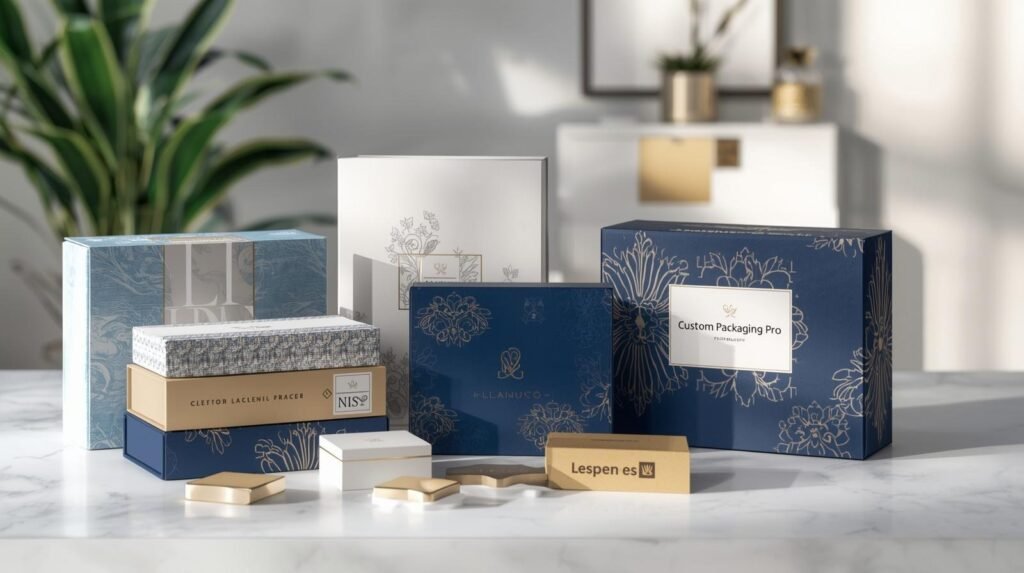
Inserts are common in cosmetic packaging because many products require added stability, especially when the brand wants to enhance presentation as well as protection. However, inserts only perform well when the outer box dimensions are accurate. If the packaging is even slightly oversized, the insert may not secure the product properly. If the dimensions are too tight, the insert may distort the structure or make assembly less efficient.
This is why inserts cannot be designed in isolation. They are part of a structural system that begins with size planning. When the dimensions are correct, inserts improve both safety and visual order. They help keep bottles upright, maintain spacing between multiple items, and create a more premium feel during unboxing.
For gift sets and bundled skincare products, this becomes even more important. The packaging has to manage multiple items at once while still appearing elegant and easy to open. Without accurate sizing, even a well-designed insert system can feel forced or impractical.
Why Standard Sizes Often Create Limitations
Standard packaging sizes are often attractive to growing brands because they simplify sourcing and may appear more affordable in the short term. For early-stage businesses, this can seem like a practical way to keep development simple. However, cosmetic products rarely behave like generic items. Bottles, jars, tubes, droppers, and compact kits all vary in shape, fragility, and presentation requirements.
Because of that, standard sizes often create compromises. A box might technically fit the product, but still leave too much empty space. Another structure may reduce material use, but fail to support the premium experience the brand wants to create. Over time, these compromises affect both efficiency and perception.
This does not mean every cosmetic product requires a fully custom structure from the start. It means brands should be careful about assuming standard sizes are enough. The more packaging becomes part of the product identity, the more important it becomes to align dimensions with real product needs rather than supplier convenience.
When Custom Cosmetic Packaging Becomes the Better Option
As cosmetic brands expand their product lines and refine their positioning, many eventually reach a point where standard packaging no longer supports their goals. At that stage, custom packaging becomes more than a visual upgrade. It becomes a structural solution.
Custom packaging allows brands to design around actual product dimensions, internal support needs, and desired presentation quality. This creates stronger product fit, better material efficiency, and a more consistent brand experience. It also reduces the need for unnecessary fillers or workarounds during packing and shipping.
For premium skincare lines, beauty gift sets, and high-value cosmetic products, custom sizing often delivers benefits beyond appearance. It supports stability, improves shelf coherence, and reinforces the sense that the product has been thoughtfully developed from every angle. In categories where packaging influences buying decisions, that level of precision can be a significant advantage.
Packaging and the Unboxing Experience
The unboxing experience has become a major part of cosmetic branding, especially in a market shaped by digital content, influencer culture, and customer sharing. Packaging is no longer experienced only in a store. It is also seen in reviews, social posts, and customer-generated content. This makes structural quality even more important.
A well-sized cosmetic box creates a smoother and more satisfying opening experience. The product feels secure, the insert performs properly, and the packaging presents the item with clarity and balance. The experience feels intentional from the first touch to the final reveal.
If the dimensions are wrong, the unboxing experience often loses that effect. The product may shift, the packaging may feel awkward to handle, or the proportions may seem off once opened. These issues may not always lead to complaints, but they do weaken the emotional impact of the product. In a category where presentation matters deeply, that lost impact can affect brand loyalty over time.
Balancing Appearance, Performance, and Efficiency
The strongest cosmetic packaging does not choose between beauty and function. It brings both together through better structural planning. Appearance attracts attention, but performance sustains the premium impression. Efficiency ensures the brand can scale without turning packaging into a source of waste or inconsistency.
This balance is what many cosmetic brands struggle to achieve at first. They may begin by focusing heavily on aesthetics, only to discover later that structural issues are affecting costs, product stability, or customer experience. Others may focus too much on efficiency and lose the elevated feel required in the beauty market. The most effective packaging systems avoid both extremes.
By treating dimensions as part of the branding process rather than a separate technical step, brands can create packaging that looks refined, functions reliably, and supports long-term growth. That combination is what transforms packaging from a container into a strategic asset.
Final Thoughts
Cosmetic packaging may be judged first by appearance, but its long-term success depends just as much on structure. The way length, width, and height are defined influences how secure the product feels, how premium it appears, how efficiently it moves through production and storage, and how consistently it performs in the customer experience.
Brands that understand this early create packaging that feels more complete because it is built around both visual identity and practical fit. In a category where details shape perception, structural precision becomes part of what makes a product feel trustworthy and elevated. Companies like Custom Packaging Pro are helping beauty and skincare brands in the USA move beyond generic packaging by offering solutions tailored to actual product dimensions, presentation goals, and real market expectations.
FAQs
Why is size planning important in cosmetic packaging?
Size planning is important because it affects product fit, packaging stability, shelf presentation, and the overall premium feel of the product. Even a small mismatch in dimensions can reduce both efficiency and customer perception.
Do standard cosmetic box sizes work for all products?
Standard sizes may work for some products in the early stage, but they often create compromises in fit and presentation. Cosmetic products vary too much in shape and structure for one-size-fits-all packaging to remain effective long term.
How do packaging dimensions affect brand perception?
Packaging dimensions influence how polished, secure, and intentional a product feels. When proportions are right, the brand appears more refined. When they are off, the experience can feel less premium even if the design is attractive.
When should a cosmetic brand consider custom packaging?
A brand should consider custom packaging when standard sizes no longer support product fit, presentation quality, or operational efficiency. This often becomes important as the product line grows or the brand moves toward a more premium market position.