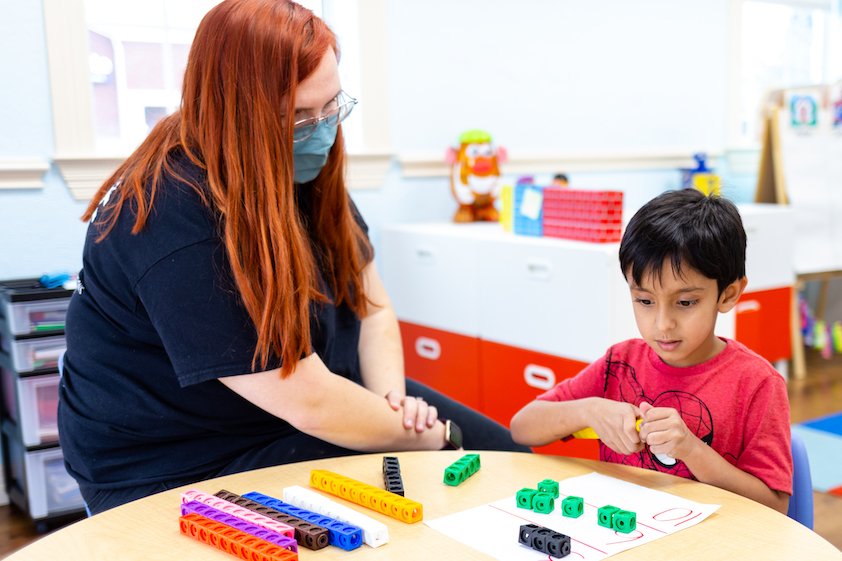

Applied Behavior Analysis has become one of the most widely researched and effective approaches for supporting individuals with developmental and behavioral challenges. Over time, this therapeutic model has expanded into different delivery formats, each designed to meet specific needs and circumstances. Among these, Center Based ABA Therapy stands out as a structured and highly organized approach that takes place in a dedicated clinical or educational environment. This model is designed to maximize learning opportunities through controlled settings, professional supervision, and consistent implementation of evidence-based strategies. Understanding how this approach works, what makes it effective, and how it compares to other settings is essential for appreciating its role in modern behavioral intervention systems.
The Foundation and Purpose of Structured Clinical Learning Environments
Center-based behavioral intervention is built on the principles of learning theory, which emphasize how behavior is influenced by environmental factors and reinforcement patterns. In a dedicated center setting, these principles are applied in a highly structured and predictable environment where distractions are minimized and learning is carefully guided. This allows therapists to create focused teaching conditions that support skill acquisition across communication, social interaction, adaptive behavior, and cognitive development.
The primary purpose of Center Based ABA Therapy is to provide a consistent and professionally supervised environment where individuals can engage in targeted learning activities. Unlike more flexible environments, the center setting allows for standardized procedures, controlled stimuli, and carefully designed teaching sessions that follow a structured curriculum. This level of organization is particularly beneficial for individuals who require intensive support or who learn best in predictable environments with clear expectations.
Another important aspect of this model is the availability of specialized resources. Therapy centers are typically equipped with structured learning materials, sensory tools, and designated activity areas that support different types of skill development. These resources enable therapists to implement a wide range of teaching strategies that may not be easily replicated in other environments.
How Structured Therapy Sessions Are Organized and Delivered
Sessions in a center-based environment follow a carefully planned schedule that balances structured teaching, natural play opportunities, and social interaction. Each individual receives a personalized treatment plan developed by a qualified behavior analyst, which outlines specific goals and intervention strategies based on their developmental profile and behavioral needs.
During Center Based ABA Therapy, therapy sessions are typically divided into focused instructional periods and natural environment teaching opportunities. Structured teaching periods involve direct instruction using techniques such as discrete trial training, task analysis, and reinforcement-based learning. These methods help break down complex skills into smaller, manageable steps that can be learned systematically over time.
Natural environment teaching, on the other hand, allows individuals to practice skills in more flexible and interactive settings within the center. This may include group play activities, peer interaction sessions, or structured social exercises. These opportunities are essential for promoting generalization of skills, ensuring that what is learned in structured sessions can be applied in more natural and spontaneous situations.
The consistency of scheduling is another key feature of center-based programs. Individuals typically attend therapy sessions at regular intervals throughout the week, which helps establish routine and predictability. This consistency is important for reinforcing learning patterns and supporting steady developmental progress.
The Role of Professional Supervision and Team Collaboration
One of the defining characteristics of center-based behavioral intervention is the level of professional supervision involved. Each program is typically overseen by a board-certified behavior analyst who is responsible for designing treatment plans, monitoring progress, and making data-driven adjustments to interventions. In addition, trained behavior technicians work directly with individuals to implement therapy sessions under supervision.
This team-based approach ensures that interventions are applied consistently and accurately. It also allows for continuous communication between supervisors and therapists, which is essential for maintaining treatment integrity. Regular team meetings and supervision sessions help ensure that all staff members are aligned with the individual’s goals and progress.
In Center Based ABA Therapy, collaboration extends beyond the therapy team. Families are often included in progress discussions and may participate in training sessions to understand the strategies being used. This collaborative approach helps bridge the gap between center-based learning and home application, ensuring continuity of support across environments.
Skill Development Across Communication, Behavior, and Social Interaction
A major focus of center-based intervention is the development of functional skills that improve independence and quality of life. Communication skills are often a primary target, especially for individuals who experience delays in expressive or receptive language. Therapists use structured teaching methods to help individuals learn how to request items, express needs, follow instructions, and engage in meaningful interaction with others.
Behavioral regulation is another critical area of focus. Many individuals receiving therapy may exhibit challenging behaviors such as difficulty with transitions, emotional dysregulation, or repetitive actions that interfere with learning. Through consistent reinforcement strategies and behavior modification techniques, therapists work to reduce these behaviors while teaching more appropriate alternatives.
Social development is also a key component of Center Based ABA Therapy. Group activities and peer interactions are carefully structured to help individuals learn how to share, take turns, respond to social cues, and engage in cooperative play. These skills are essential for successful integration into school and community environments.
Adaptive living skills, such as self-care routines, organizational abilities, and task completion, are also emphasized. These skills are taught systematically to promote independence and help individuals manage daily activities more effectively.
The Importance of Data Collection and Progress Monitoring
One of the most important aspects of center-based behavioral intervention is the use of continuous data collection. Every session is carefully documented, with therapists recording detailed information about skill acquisition, behavioral responses, and progress toward goals. This data-driven approach ensures that decisions are based on objective evidence rather than subjective impressions.
In Center Based ABA Therapy, data is analyzed regularly by supervising professionals to evaluate the effectiveness of intervention strategies. If a particular approach is not producing the desired results, modifications are made to improve outcomes. This ongoing process of assessment and adjustment ensures that therapy remains responsive to the individual’s needs.
Progress monitoring also helps identify patterns over time, such as improvements in communication or reductions in challenging behavior. These insights are valuable for both therapists and families, as they provide a clear picture of developmental progress and highlight areas that may require additional focus.
Comparison of Structured Center-Based Learning with Other Intervention Settings
While center-based intervention offers many advantages, it is often compared to other models such as home-based therapy or school-based support. Each setting has its own strengths, and the choice between them depends on the individual’s needs and learning style.
The structured nature of a center environment provides a high level of consistency and professional oversight, which can be particularly beneficial for individuals who require intensive intervention. The availability of specialized resources and peer interaction opportunities further enhances learning experiences.
In contrast, home-based settings offer greater naturalistic learning opportunities and direct involvement of family members. However, they may lack the structured environment and resource availability found in centers. School-based settings focus more on academic integration and peer interaction within educational systems.
Center Based ABA Therapy is often chosen when structured, intensive, and professionally guided intervention is needed to establish foundational skills before transitioning to more natural environments. It provides a controlled learning space where complex skills can be introduced and refined before being generalized elsewhere.
The Role of Family Involvement and Transition Planning
Although center-based programs are conducted in a clinical environment, family involvement remains a crucial component of success. Families are often invited to participate in training sessions, progress reviews, and strategy discussions. This involvement ensures that the techniques used in therapy can be reinforced at home, promoting consistency across environments.
Transition planning is another important aspect of center-based intervention. As individuals progress, the goal is often to generalize skills to other settings such as home, school, or community environments. Therapists work closely with families and educators to create structured transition plans that support this process.
In many cases, Center Based ABA Therapy serves as a foundational stage in a broader intervention journey. Once essential skills are established, individuals may transition to more flexible environments where they can apply what they have learned in real-world situations.
Challenges and Considerations in Center-Based Programs
Despite its many advantages, center-based intervention also presents certain challenges. One of the primary considerations is accessibility, as attending a center regularly may require significant time commitment and logistical planning for families. Transportation and scheduling can sometimes be barriers to consistent participation.
Another challenge is the transition from structured environments to natural settings. While individuals may perform well in the center, generalizing skills to home or community environments can require additional support and planning. This is why coordinated transition strategies are essential for long-term success.
Additionally, some individuals may initially experience difficulty adjusting to structured environments, especially if they are more comfortable in familiar home settings. However, with gradual introduction and supportive teaching strategies, most individuals adapt successfully over time.
Conclusion: The Structured Pathway to Skill Development and Long-Term Growth
Center-based behavioral intervention represents a highly structured and evidence-based approach to supporting individuals with developmental and behavioral needs. By providing a controlled environment, professional supervision, and consistent teaching strategies, it creates an optimal setting for learning and skill development. The emphasis on data-driven decision-making, individualized treatment planning, and collaborative teamwork ensures that progress is both measurable and meaningful.
The effectiveness of center based ABA therapy lies in its ability to combine structure with individualized care, allowing individuals to build foundational skills that support long-term independence and success. While it is not the only model of intervention available, it plays a critical role in many comprehensive treatment plans, particularly during early stages of skill acquisition.
Ultimately, this approach demonstrates how structured environments, when guided by scientific principles and professional expertise, can create powerful opportunities for growth, learning, and improved quality of life.