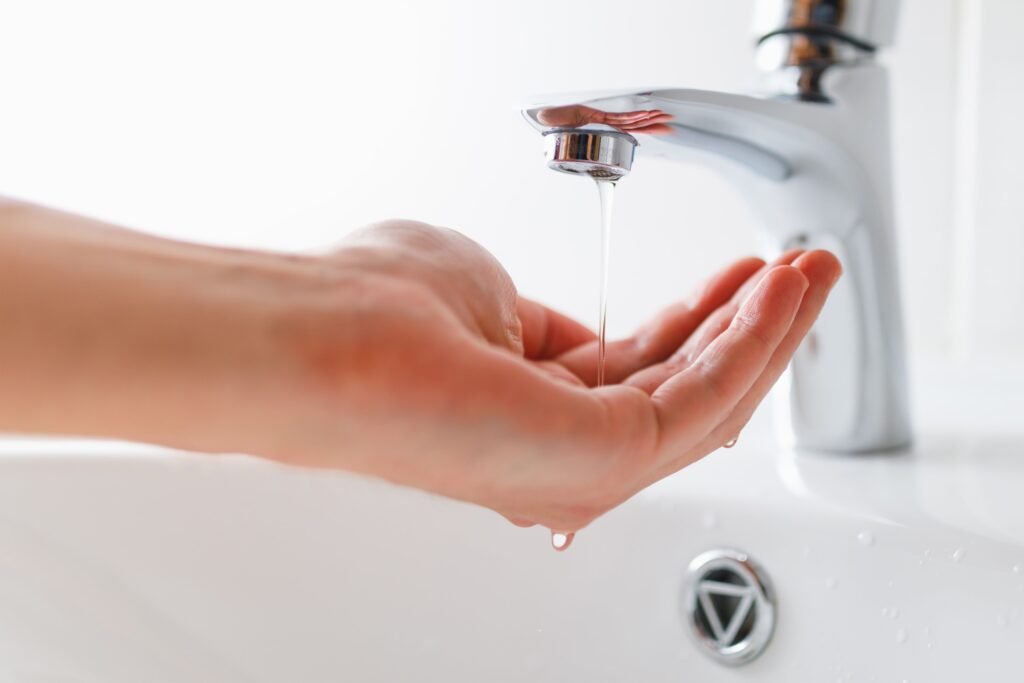

Water pressure plays a crucial role in everyday household comfort, affecting everything from shower quality and dishwashing efficiency to laundry performance and general plumbing functionality. When the flow of water suddenly becomes weak or inconsistent, it can disrupt daily routines and signal underlying issues within the plumbing system. The problem of low water pressure is more common than many homeowners realize, and while it may appear minor at first, it often points to deeper mechanical, structural, or supply-related concerns that require careful attention. Understanding the causes, symptoms, and solutions of this issue is essential for maintaining a reliable and efficient water system in any home.
Understanding What Low Water Pressure Actually Means
Low water pressure refers to a noticeable reduction in the force at which water flows through taps, showers, and other plumbing fixtures. In a properly functioning system, water should flow steadily and with enough force to support daily tasks without delay or inconvenience. When pressure drops, water may trickle instead of flowing smoothly, making even simple activities frustrating and time-consuming.
This issue can affect a single fixture or the entire household system depending on its root cause. In some cases, low water pressure may be temporary and linked to external supply fluctuations, while in other situations, it may indicate internal plumbing problems that require repair or maintenance. The complexity of the issue makes it important to approach diagnosis carefully rather than assuming a single universal cause.
Water pressure is influenced by multiple factors including municipal water supply, pipe condition, plumbing layout, valve settings, and the presence of obstructions. Any disruption in this chain can lead to reduced flow and inconsistent performance.
Common Causes Behind Low Water Pressure in Homes
One of the most frequent causes of reduced water flow is pipe blockage. Over time, mineral deposits from hard water can accumulate inside pipes, gradually narrowing the passage through which water flows. This buildup restricts movement and reduces overall pressure, especially in older plumbing systems where corrosion is more common.
Another significant cause is leaking pipes. Even a small, hidden leak can significantly reduce water pressure because the system loses water before it reaches the intended fixture. These leaks often go unnoticed because they may occur behind walls, under floors, or underground.
Faulty or partially closed valves are also a common reason for low water pressure. If the main shutoff valve or individual fixture valves are not fully open, water flow will be restricted. This is often an overlooked issue that can be easily resolved once identified.
Municipal supply problems can also contribute to pressure fluctuations. Maintenance work, pipeline repairs, or increased demand in the local area may temporarily reduce water pressure across multiple homes. In such cases, the issue is usually temporary and resolves once external conditions stabilize.
Additionally, plumbing system design plays a role. Homes with complex layouts, long pipe runs, or outdated systems may naturally experience lower pressure due to inefficiencies in water distribution.
Identifying Symptoms of Low Water Pressure Early
Recognizing the early signs of pressure issues can help prevent more serious plumbing problems. One of the most obvious symptoms is weak water flow from faucets and showers. If water takes longer than usual to fill containers or rinse surfaces, it may indicate a pressure problem.
Another common symptom is inconsistent water flow. In some cases, pressure may fluctuate during use, with water flowing strongly at first and then weakening unexpectedly. This can be particularly noticeable in showers or when multiple fixtures are used simultaneously.
Appliances such as washing machines and dishwashers may also perform poorly when water pressure is low. These systems rely on steady water flow to function efficiently, and any disruption can lead to incomplete cycles or longer operating times.In more severe cases, low water pressure may be accompanied by unusual noises in the plumbing system, such as banging or hissing sounds. These noises can indicate air trapped in pipes or pressure imbalances within the system.
The Role of Plumbing Infrastructure in Water Pressure
The condition of a home’s plumbing infrastructure has a direct impact on water pressure levels. Older homes often have galvanized steel or iron pipes, which are more prone to corrosion and internal buildup. Over time, these materials deteriorate, reducing the internal diameter of pipes and restricting water flow.
Modern plumbing systems typically use materials such as copper or PEX, which are more resistant to corrosion and buildup. However, even these systems can experience pressure issues if not properly maintained.
Pipe diameter is another important factor. Smaller pipes naturally limit the volume of water that can pass through, which may contribute to lower pressure in certain areas of the home. Similarly, long pipe runs from the main supply line to distant fixtures can result in pressure loss due to friction and distance.
Proper installation and system design are essential for maintaining consistent water pressure throughout the home. Poorly designed systems often experience uneven distribution, where some fixtures receive adequate pressure while others do not.
Diagnosing Low Water Pressure Step by Step
Identifying the root cause of pressure issues requires a systematic approach. The first step is to determine whether the problem affects the entire house or only specific fixtures. If only one faucet or shower is affected, the issue is likely localized and may be caused by a clogged aerator or fixture-specific blockage.
If the entire home is affected, the problem may lie in the main water supply, pressure regulator, or internal plumbing system. Checking the main shutoff valve is an important step, as it may not be fully open. Similarly, inspecting the pressure regulator can reveal whether it is functioning correctly or needs adjustment.
Homeowners can also perform a simple pressure test using a gauge to measure water flow at different points in the system. This helps identify whether pressure loss is occurring at a specific location or throughout the entire network.
In cases where low water pressure is persistent and unexplained, professional plumbing inspection may be necessary. Advanced diagnostic tools can detect hidden leaks, internal blockages, or structural issues within the plumbing system.
Effective Solutions for Restoring Proper Water Pressure
Once the cause of low water pressure has been identified, appropriate solutions can be implemented. For minor blockages, cleaning faucet aerators and showerheads can often restore normal flow. These components frequently accumulate mineral deposits that restrict water movement.
If pipe buildup is the issue, professional pipe cleaning or descaling may be required. In severe cases, pipe replacement may be the most effective long-term solution, especially in older plumbing systems with extensive corrosion.
For valve-related problems, ensuring that all shutoff valves are fully open can immediately improve pressure. If a pressure regulator is malfunctioning, adjusting or replacing it can help stabilize water flow throughout the home.
In cases of leaks, repairing damaged pipes is essential not only for restoring pressure but also for preventing water waste and potential structural damage. Leak detection and repair should be handled promptly to avoid further complications.If the issue is related to municipal supply, there may be limited immediate solutions. However, installing a water pressure booster pump can help improve flow within the home by increasing pressure from the main supply line.
Preventing Future Water Pressure Problems
Preventive maintenance plays a key role in avoiding recurring pressure issues. Regular inspection of plumbing systems can help identify early signs of wear, corrosion, or leaks before they develop into serious problems.
Flushing the plumbing system periodically can help reduce mineral buildup inside pipes, especially in areas with hard water. Installing water softeners can also reduce scale formation and extend the lifespan of plumbing infrastructure.
Ensuring that fixtures are cleaned regularly helps maintain consistent water flow. Aerators and showerheads should be descaled periodically to prevent blockage.
Monitoring water usage patterns can also help detect early signs of low water pressure. Sudden changes in flow or performance should be investigated promptly to prevent further deterioration.
When Professional Help Becomes Necessary
While some low water pressure issues can be resolved through simple maintenance, others require professional expertise. Persistent pressure loss, hidden leaks, or complex plumbing system failures should always be handled by qualified plumbers.
Professional assessment ensures accurate diagnosis and prevents unnecessary repairs or replacements. Plumbers can also provide recommendations for system upgrades, such as modern piping materials or pressure regulation systems that improve long-term performance.
In older homes, comprehensive plumbing upgrades may be the most effective solution for restoring consistent water pressure and improving overall system efficiency.
Conclusion: Maintaining Consistent Water Flow for Long-Term Comfort
Water pressure is a fundamental aspect of household functionality, and any disruption can significantly impact daily life. Understanding the causes, symptoms, and solutions of low water pressure allows homeowners to take proactive steps in maintaining a reliable plumbing system. Whether the issue is caused by blockages, leaks, faulty valves, or external supply factors, timely identification and intervention are key to preventing further complications.
By adopting regular maintenance practices and addressing problems early, homeowners can ensure consistent water flow, improved system efficiency, and long-term plumbing reliability. A well-maintained water system not only enhances comfort but also contributes to water conservation and reduced repair costs over time, making it an essential part of responsible home management.